Impact
Our impact by the numbers
The scale of the e-waste challenge demands urgent action. Here is why clean-tech recycling matters.
tonnes of e-waste generated globally in 2022
Source: UNITAR & ITU, 2024
of global e-waste is actually recycled
Source: UNITAR & ITU, 2024
in resource value lost to landfill every year
Source: UNITAR & ITU, 2024
Field Mapping Data
What we're finding on the ground
Based on 66 verified recycling sites mapped across Sydney. SheRecycles Field Mapping Data, 2026.
Source: SheRecycles Field Mapping Data, 2026
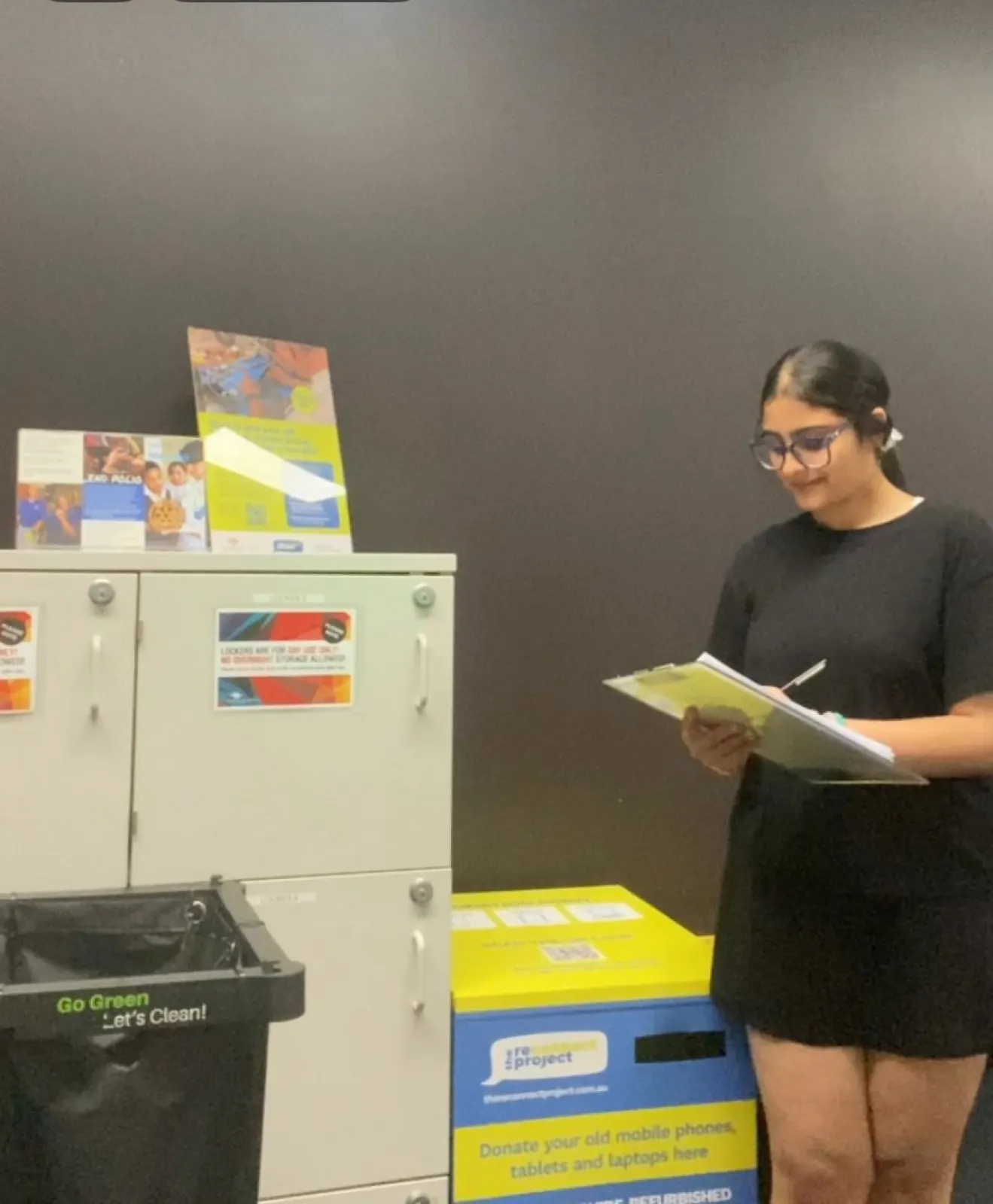
Field Evidence
What the data looks like in practice
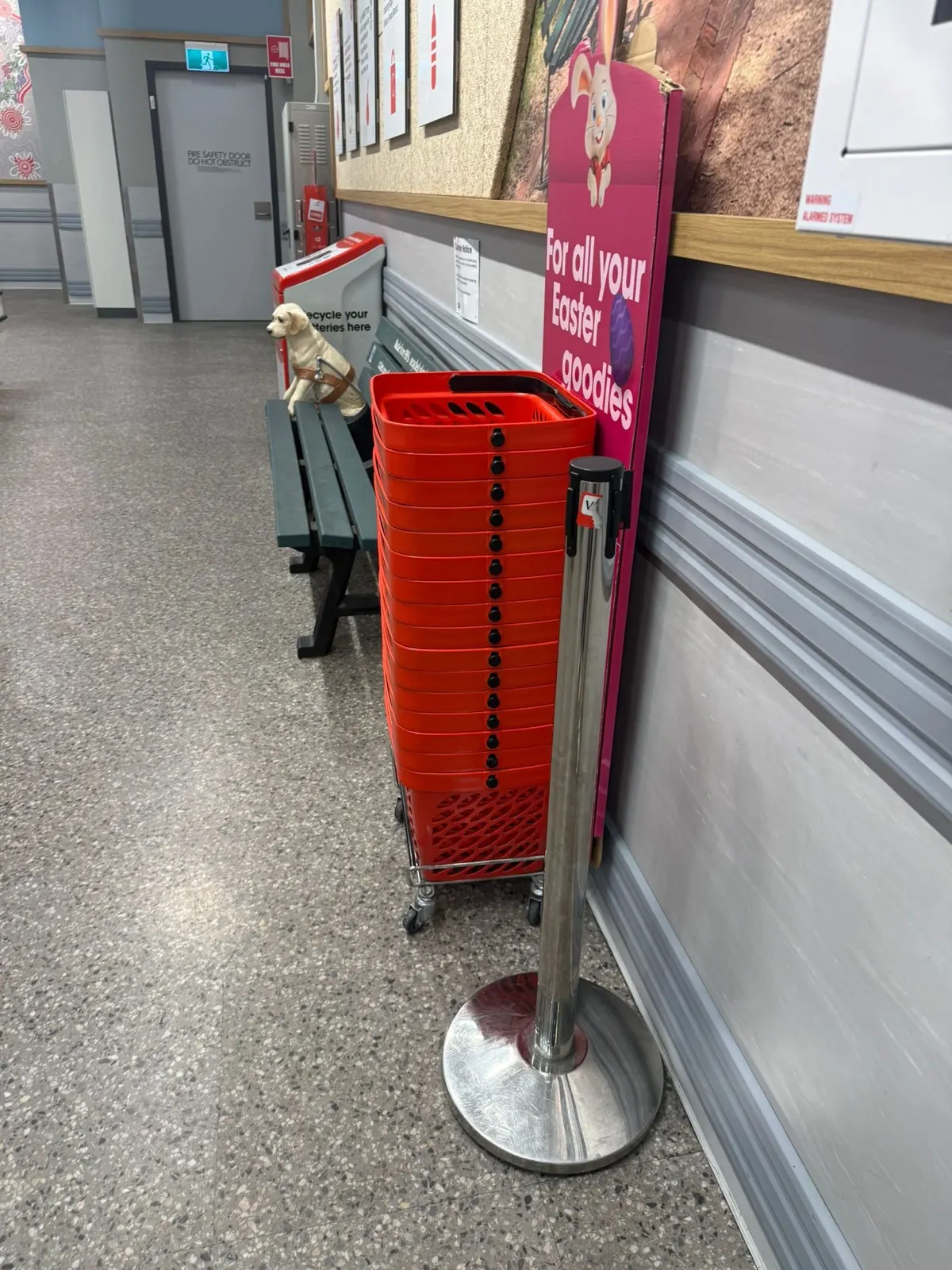
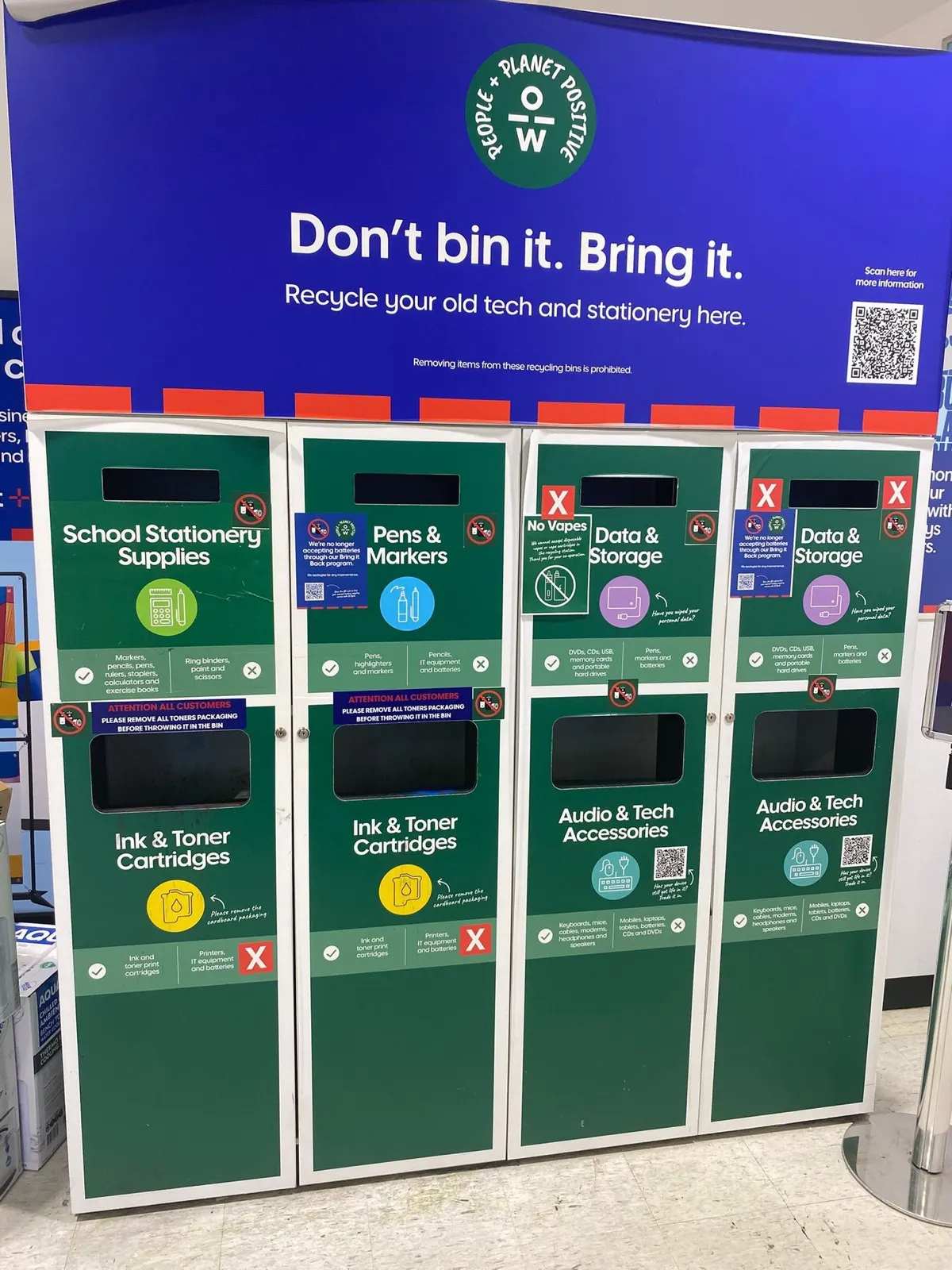
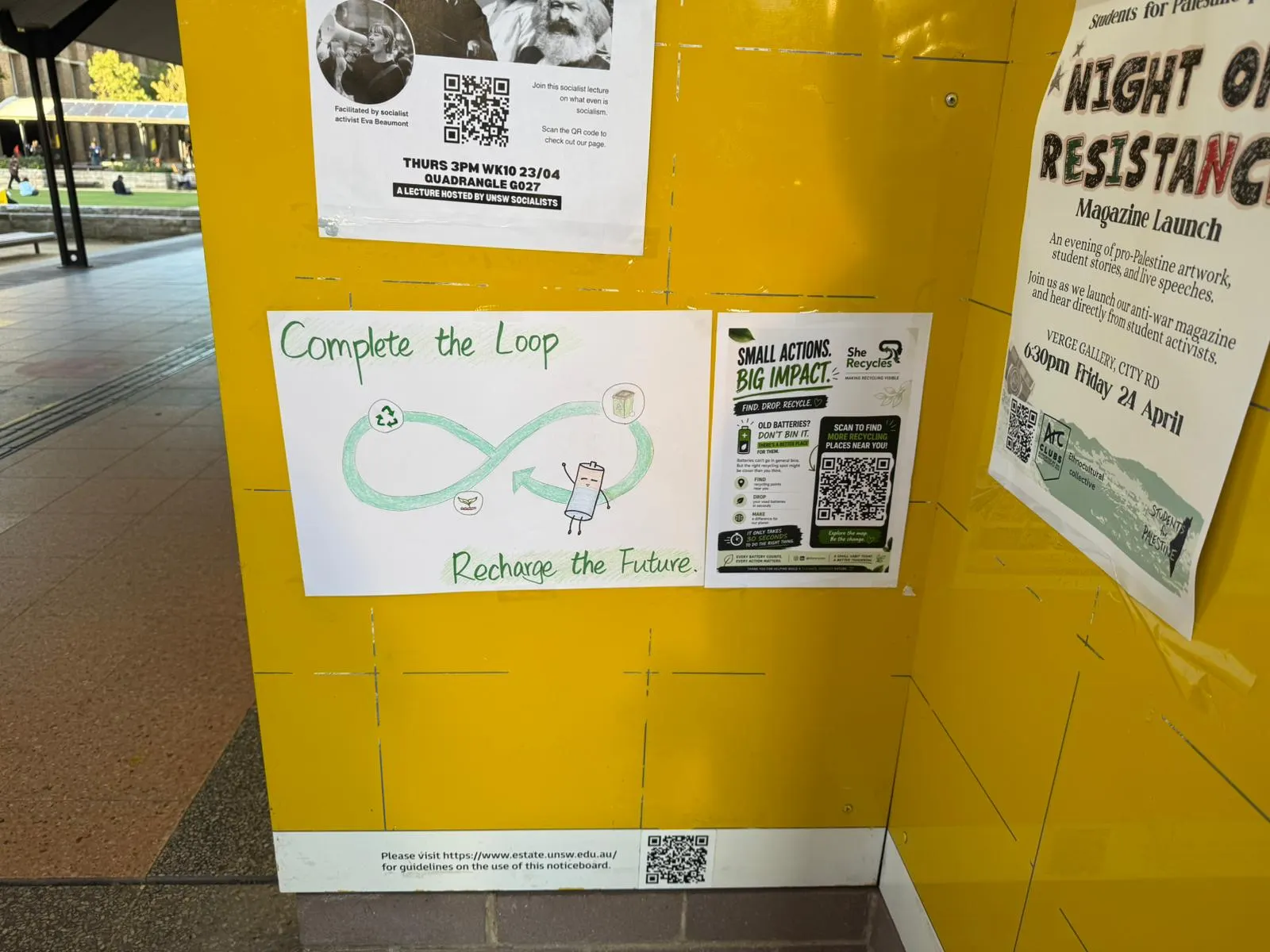
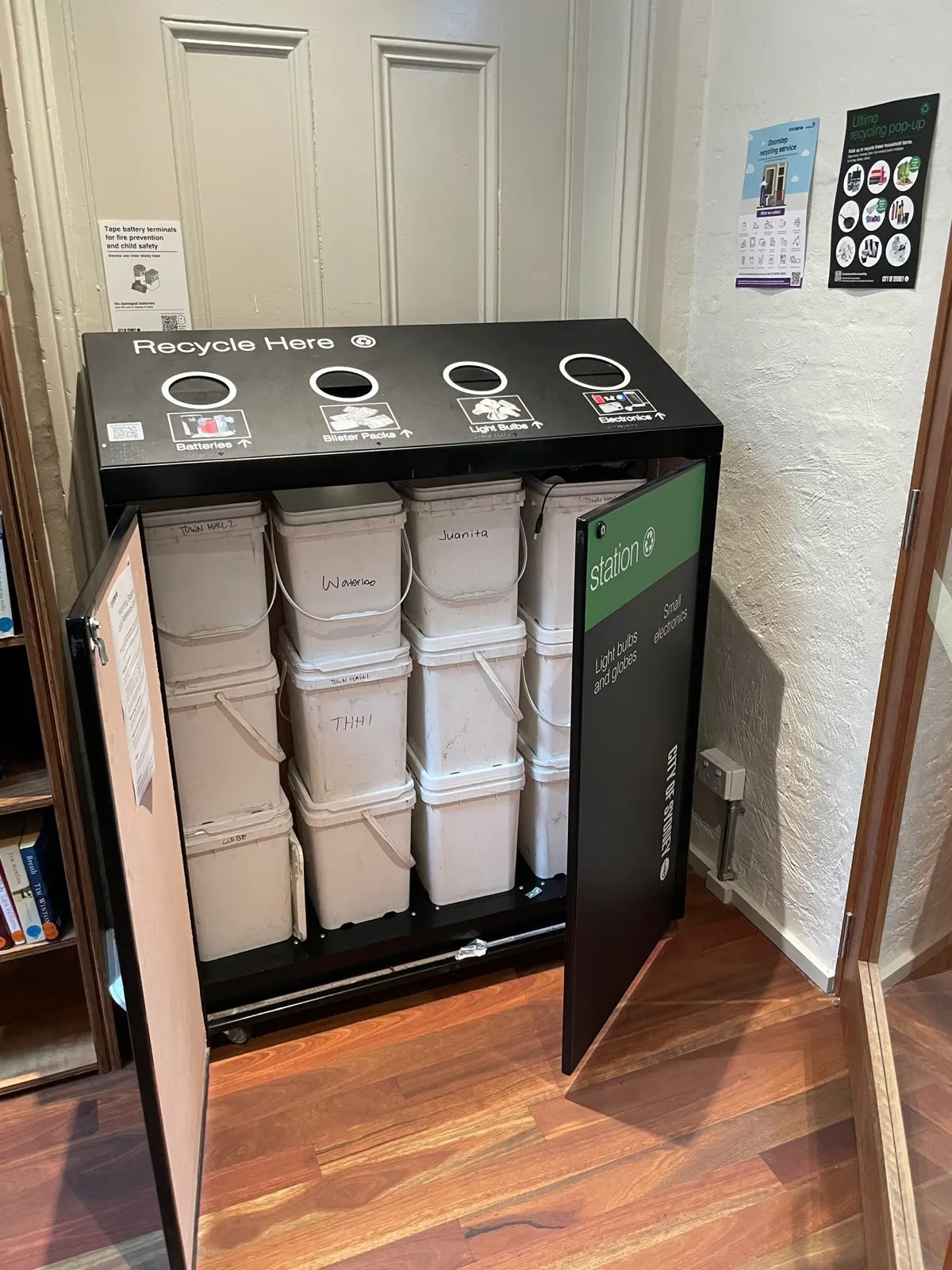
The field photos show why location, signage, and immediate access matter as much as the recycling infrastructure itself.
The Challenge
Why clean-tech recycling matters
The transition to renewable energy is creating a new wave of waste that current infrastructure is not designed to handle.
E-waste is the fastest growing waste stream
Global e-waste reached 62 million tonnes in 2022 and is projected to reach 82 million tonnes by 2030. The growth rate outpaces recycling infrastructure development in most countries.
Infrastructure not designed for clean-tech
Existing recycling systems were built for traditional waste streams. Solar panels and EV batteries require specialised processing that most facilities cannot provide, leaving materials stranded.
Valuable resources are being lost
Only 22.3% of e-waste is formally recycled. The rest ends up in landfill or informal processing, wasting precious metals, rare earth elements, and other recoverable materials worth billions.
Hazardous materials entering landfill
Batteries and electronics contain lead, mercury, cadmium, and other hazardous substances. Without proper processing, these materials leach into soil and groundwater, creating long-term environmental damage.
Progress
Our journey so far
Follow our latest updates and milestones from the SheRecycles community.
Be part of the solution
Find your nearest drop-off point and help close the loop on clean-tech waste.