Public access and participation
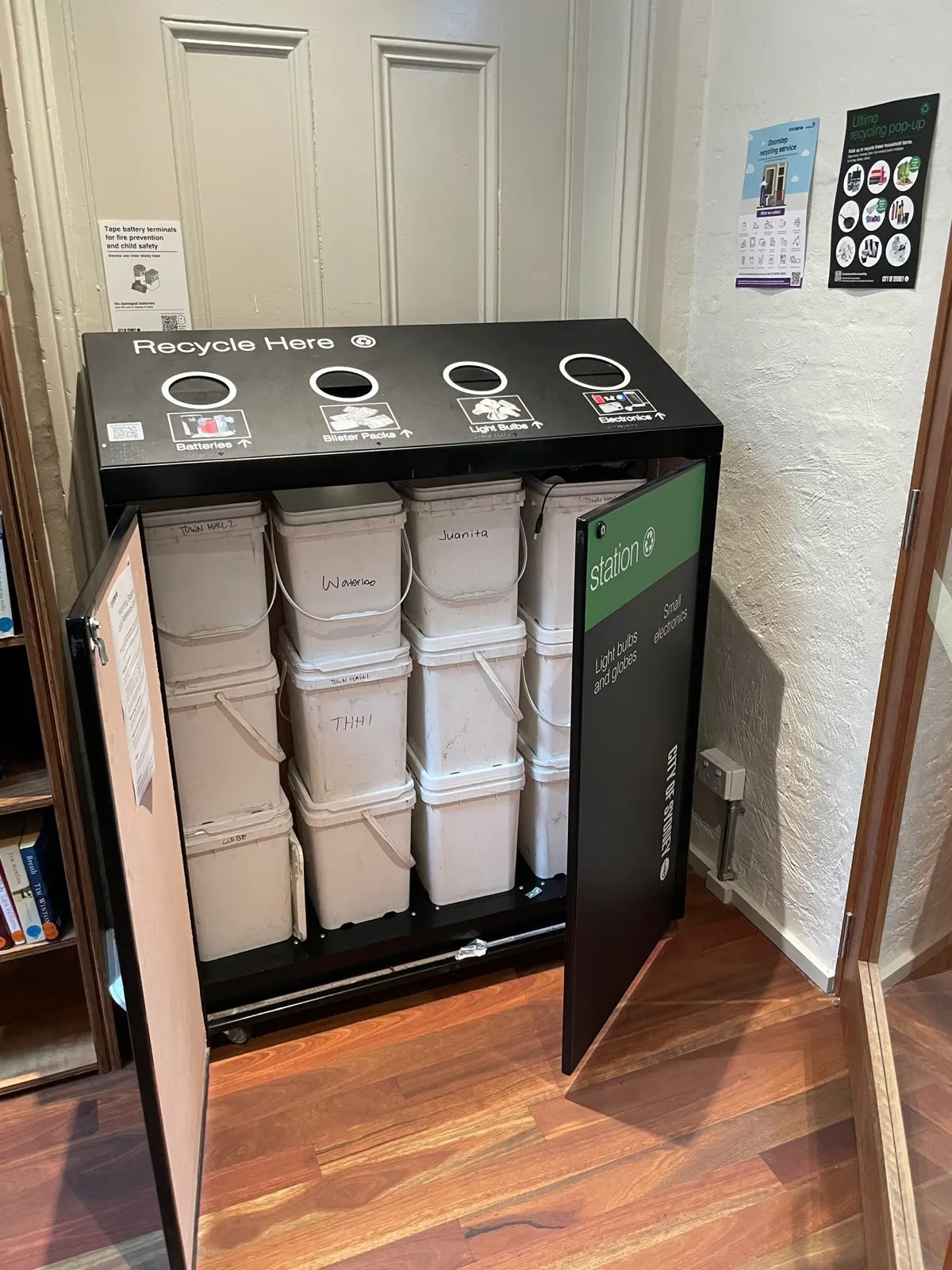
Understand whether local recovery points are visible, accessible and trusted by residents.
Partners
SheRecycles supports councils, campuses, repairers, recyclers, brands, producers, researchers and community organisations with visibility, referrals, field insights and recovery engagement.
Partner categories
Understand whether local recovery points are visible, accessible and trusted by residents.
Map what students and staff can actually find and use in everyday campus movement.
Help people repair, refurbish, donate, resell or redeploy products before recycling.
Make battery, e-waste and clean-tech recovery easier to identify and access safely.
Connect product stewardship and customer-facing recovery journeys.
Support public awareness, events, field mapping and donation pathways.
Display rules
The admin panel supports statuses such as confirmed partner, event speaker, sponsor, ecosystem contact, pending and hidden. Logos should only be published with permission.
Partner with SheRecycles